
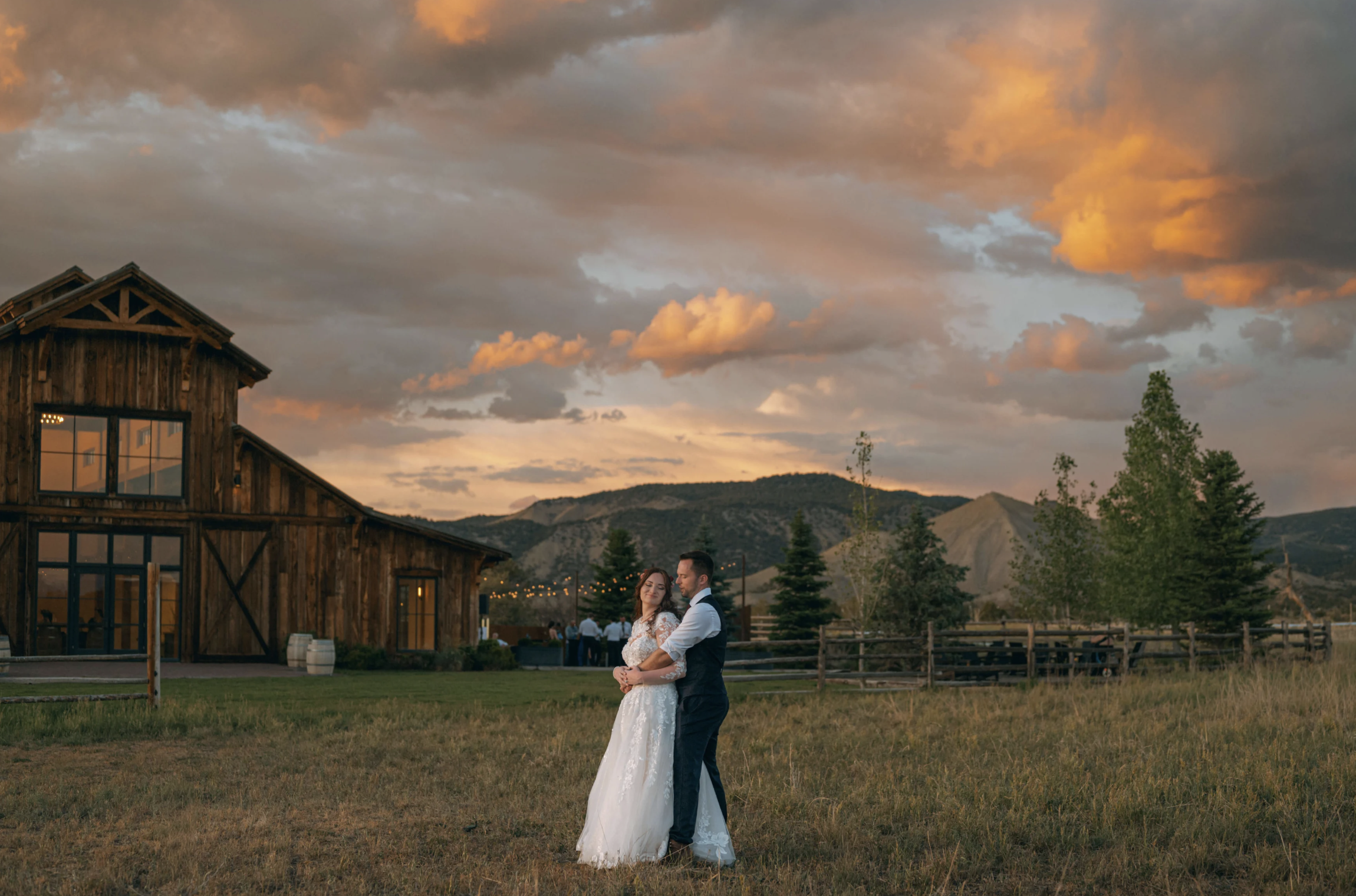
Photo X Colleen Hunter
There's a version of the creative career path that looks great on paper and almost never works.
You buy the camera.
You take the workshop.
You organize a styled shoot with six other vendors, everyone tags each other, and you walk away with twelve gorgeous frames of a couple who isn't actually getting married.
You post them. You wait.
Then a real inquiry comes in, and you realize you have no idea what happens on a wedding day, or what to do when the mother of the bride is crying in the suite, and the planner just asked you a question you don't know the answer to.
The people who skip that panic aren't more talented. They've just already been in the room.
That's the whole thesis of this piece: second shooting is the fastest, cheapest, lowest-risk education in the wedding industry — and nothing else comes close
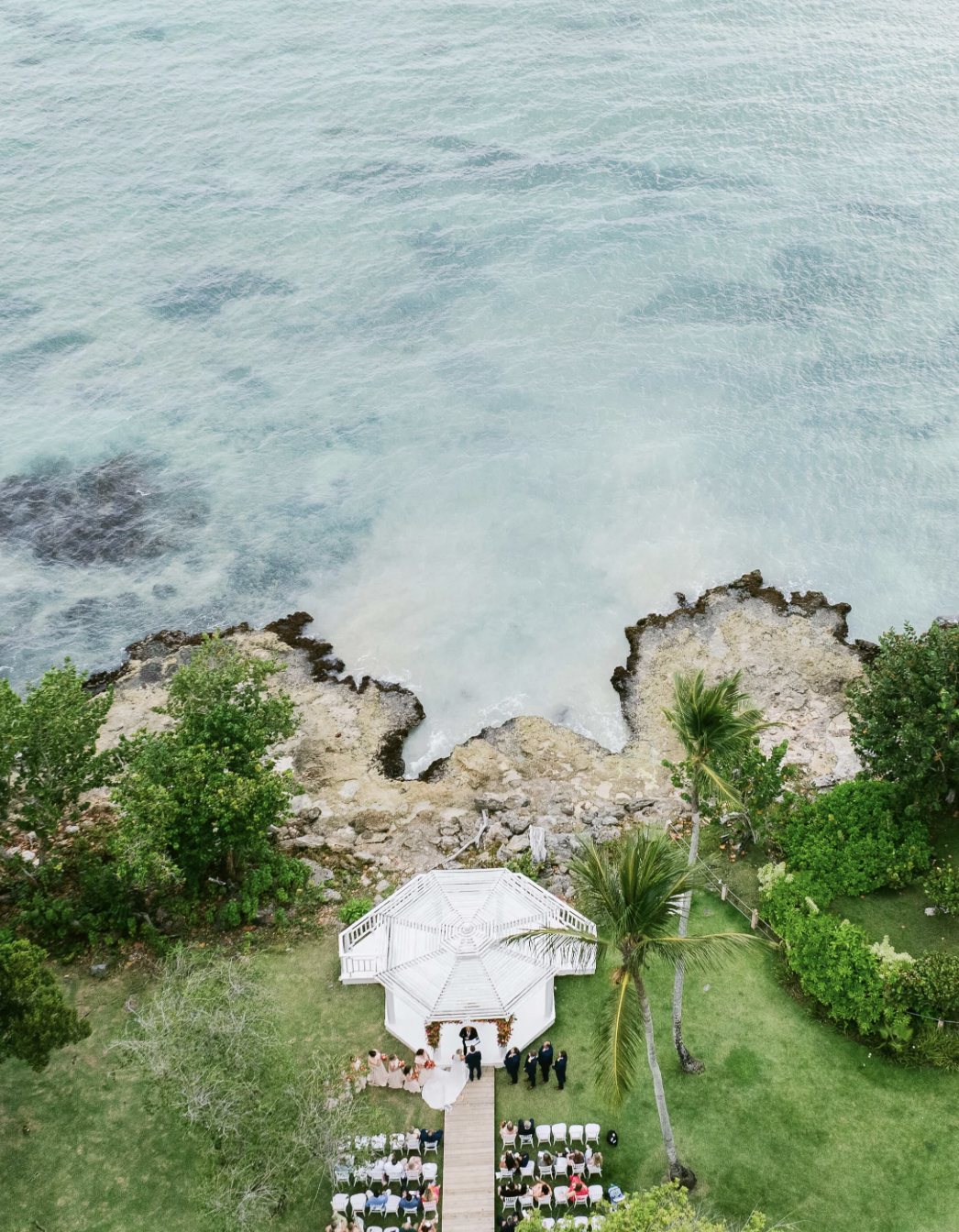
Photo X Olivia Jones
Styled shoots teach you how to make images. Weddings teach you how to CAPTURE WEDDINGS.
A styled shoot is a controlled environment. Perfect light, cooperative models, unlimited time, zero consequences. It's a great place to test a lens or build a color palette. It is a terrible place to learn a wedding.
Because a wedding is not a photo problem. It's a pressure problem.
Second shooting drops you into real-life scenarios with real stakes, alongside people who are almost certainly more experienced than you are. You're not simulating the day. You're inside it. And the education compounds fast, because everything is happening at once and none of it can be redone.
Here's the part most people underestimate: if you position yourself well as a second shooter for high-end luxury photographers and filmmakers, you get access to rooms you would never be able to enter on your own.
Not "someday." Now. On your fifth wedding.
Estate venues you couldn't book. Planners who wouldn't return your email. Budgets that don't exist in the part of the market you're currently competing in. You walk in as part of a team that already earned that trust, and you spend the day absorbing how that level actually operates.
This is my favorite part of second shooting!
You can't buy that. You can't fake it in a styled shoot. And you can't build it alone from the bottom of the market, because the bottom of the market never puts you in that building.
The number: five weddings to be capable, five to ten to be comfortable
People want a number, so here's mine.
Around five weddings as a second shooter is enough to feel genuinely capable of leading. You've seen the arc of the day. You know what getting-ready looks like, what happens when the timeline slips, how a ceremony flows, how a reception builds and breaks.
Five to ten is where you get comfortable . Comfortable enough to lead your own weddings as a part-time or full-time job, and to charge accordingly.
There's a second requirement that has nothing to do with skill, and it stops more people than they'll admit: you need the gear to lead.
Seconding, you can get by with what you have. Leading, you can't. That means:
• Multiple camera bodies. Not for versatility, but for redundancy. A single body is a single point of failure on a day that cannot be reshot.
• Multiple lenses covering the full arc of the day.
• Audio equipment, if you're a filmmaker. Non-negotiable. Vows and toasts are the film. A beautiful, silent wedding video is a music video in my opinion.
Photo X Sandra Orrego
Find Your Next Second Shooter Faster
Second Society helps photographers connect with qualified professionals, review portfolios, and fill openings without spending hours searching across multiple platforms.
Post your opening, find your shooter, and confirm your day.
👉 If you’re not already using Second Society to contract and pay your shooters, sign up today for free and make your brand stronger from the inside out.

